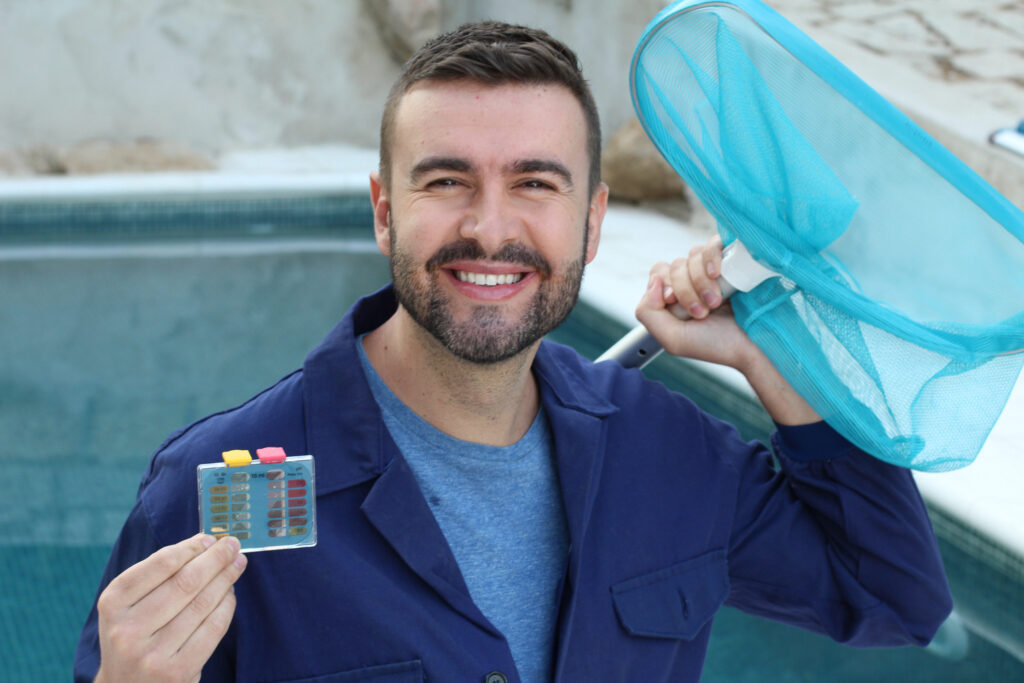
Earning your Certified Pool Operator (CPO) certification is one of the best ways to advance your career in commercial pool and spa management. Whether you work for an apartment community, hotel, water park, school, HOA, or pool service company, becoming a CPO demonstrates that you have the knowledge to operate and maintain commercial aquatic facilities safely.
Many people are nervous about taking the certification exam, especially if they’re new to the industry. The good news is that with the right preparation and quality instruction, you can walk into the exam with confidence.
This guide explains what to expect on the CPO exam, the topics you should focus on, and practical tips to help you succeed.
What Is the Certified Pool Operator (CPO) Certification?
The Certified Pool Operator (CPO) certification is one of the most respected credentials in the commercial pool industry. It is designed to teach operators how to maintain safe water quality, properly operate pool equipment, and comply with health and safety regulations.
Professionals who earn this certification often work in:
- Hotels and resorts
- Apartment complexes
- Homeowners associations (HOAs)
- Schools and universities
- Community recreation centers
- Fitness clubs
- Municipal aquatic facilities
- Commercial pool service companies
Employers value CPO certification because it shows a commitment to safety, professionalism, and industry best practices.
What Topics Are Covered on the CPO Exam?
The certification exam measures your understanding of the essential principles of commercial pool operation.
Topics typically include:
Water Chemistry
Understanding water chemistry is one of the most important parts of the course.
You’ll learn about:
- Chlorine and sanitizer levels
- pH balance
- Total alkalinity
- Calcium hardness
- Cyanuric acid
- Water testing procedures
Knowing how these factors work together helps maintain healthy, safe swimming conditions.
Pool Circulation Systems
Proper circulation is critical for clean water.
The course explains:
- Pumps
- Filters
- Flow rates
- Skimmers
- Return lines
- Main drains
You’ll understand how water moves through the system and why circulation is essential for sanitation.
Filtration Systems
A pool’s filtration system removes dirt, debris, and contaminants before they affect water quality.
Students learn about:
- Sand filters
- Cartridge filters
- Diatomaceous earth (DE) filters
- Filter maintenance
- Backwashing procedures
Understanding filtration helps prevent cloudy water and improves overall pool performance.
Pool Equipment
Commercial pools rely on several important pieces of equipment.
Training covers:
- Pool pumps
- Motors
- Heaters
- Chemical feeders
- Controllers
- Automatic monitoring systems
Learning how each component works helps operators identify problems before they become expensive repairs.
Pool Safety
Safety is a major focus of every Certified Pool Operator course.
You’ll learn how to reduce risks associated with:
- Chemical storage
- Slip-and-fall hazards
- Entrapment prevention
- Emergency procedures
- Safe operating practices
Keeping swimmers safe is one of the primary responsibilities of every CPO.
Health Department Regulations
Commercial pools must meet local and state health codes.
Training helps you understand:
- Inspection requirements
- Record keeping
- Water testing documentation
- Operational standards
- Preventive maintenance
Good documentation is often just as important as proper maintenance.
Study Tips for Passing the CPO Exam
Attend Every Class
One of the best ways to prepare is simply paying attention during your instructor-led course.
Experienced instructors explain difficult concepts using real-world examples that make the material easier to understand.
Understand the Concepts
Don’t try to memorize answers.
Instead, understand why:
- Water chemistry changes
- Filters become dirty
- Pumps lose efficiency
- Chemical levels fluctuate
Understanding the “why” makes it much easier to answer exam questions.
Practice Pool Calculations
Many students find pool calculations intimidating.
Spend extra time practicing calculations involving:
- Pool volume
- Chemical dosage
- Water turnover
- Flow rates
The more comfortable you are with the math, the more confident you’ll feel during the exam.
Ask Questions
Don’t hesitate to ask your instructor if something isn’t clear.
Most students discover that others have the same questions.
Learning from experienced instructors can make difficult topics much easier.
Get Plenty of Rest
Trying to study all night before the exam usually isn’t helpful.
Get a good night’s sleep, arrive prepared, and stay focused during the test.
Common Mistakes Students Make
Some students struggle because they:
- Skip important sections of the course
- Focus only on memorization
- Ignore pool calculations
- Don’t ask questions
- Rush through exam questions
- Fail to review their answers
Taking your time and understanding the material will improve your chances of success.
Why Choose CPO.Training?
Choosing the right training provider can make a big difference in your learning experience.
At CPO.Training, our live virtual 2-day CPO Certification course is designed to help students build practical knowledge—not just prepare for an exam.
Our courses include:
- Live instructor-led training
- Interactive learning
- Real-world examples
- Comprehensive course materials
- Convenient online classes
- Supportive learning environment
Whether you’re earning your first certification or renewing an existing one, our goal is to help you become a confident and knowledgeable pool operator.
Frequently Asked Questions
How long does CPO certification last?
Certification is valid for five years, after which you’ll need to complete a renewal course.
Can I take the course online?
Yes. CPO.Training offers live virtual classes, allowing you to attend from virtually anywhere with an internet connection.
Is the CPO certification worth it?
Absolutely. Many employers require or strongly prefer CPO-certified professionals because they understand commercial pool safety, equipment operation, and regulatory compliance.
Final Thoughts
Passing the Certified Pool Operator exam starts with quality training and a solid understanding of commercial pool operations. Rather than memorizing facts, focus on learning the principles behind water chemistry, filtration, circulation, safety, and equipment maintenance.
When you’re ready to earn your certification, CPO.Training provides a convenient virtual 2-day course taught by experienced instructors who are committed to your success.
Whether you’re starting a new career or advancing in your current role, CPO certification is an investment in your future—and the knowledge you gain will help you operate safer, healthier, and more efficient commercial pools for years to come.