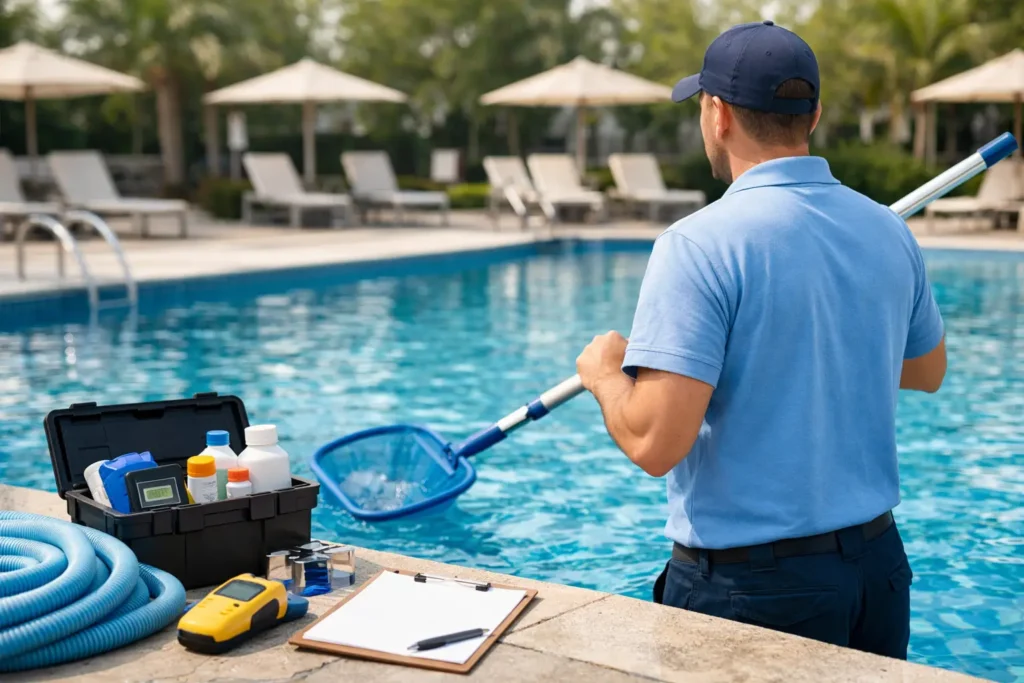
A cloudy pool, a failed disinfectant reading, or a missing logbook can become a serious issue quickly at a hotel, apartment community, gym, or recreation facility. If you are responsible for the water, equipment, or daily condition of a public or commercial pool, the decision to become a certified pool operator is about more than adding a credential to your resume. It is about knowing what to do before a routine problem becomes a safety, compliance, or business problem.
For many working professionals, certification is also a job requirement. Health departments, employers, and facility policies often require a trained operator to oversee pool and spa operations. A recognized CPO certification gives you a structured foundation in the work that matters most: water chemistry, circulation, disinfection, safety procedures, recordkeeping, and code awareness.
Why pool operator certification matters
Public and commercial pools are not managed like backyard pools. They serve many users, operate under local health requirements, and rely on systems that can create real risks when they are neglected or misunderstood. Water that looks clear can still have inadequate sanitizer levels. A working pump can still be circulating poorly. A spa can become unsafe much faster than a larger pool when chemistry or temperature is not controlled.
Certification helps operators connect the numbers on a test kit to the actions needed in the field. Instead of guessing why chlorine demand is high, why pH will not hold, or why a filter pressure reading has changed, a trained operator can evaluate the likely causes and respond methodically.
That knowledge protects swimmers, helps facilities stay prepared for inspections, and gives managers greater confidence in the people maintaining their amenities. It can also make daily operations more efficient. Correcting a chemistry issue early is usually less disruptive than closing a pool, responding to a complaint, or dealing with equipment damage later.
What you learn when you become a certified pool operator
A quality Certified Pool/Spa Operator course is designed around practical decisions operators make every day. The material is technical, but it should be taught in a way that relates directly to real facilities and real equipment rooms.
You can expect instruction on water balance and sanitation, including how pH, alkalinity, calcium hardness, cyanuric acid, and disinfectant levels affect one another. This is where many avoidable issues begin. Adding chemicals without understanding balance can waste product, create uncomfortable water conditions, or make sanitation harder to maintain.
You will also learn about circulation and filtration. Operators need to understand how water moves through the system, what filter pressure can indicate, when backwashing may be appropriate, and why pump and filter maintenance affect water quality. The goal is not to turn every operator into an equipment repair technician. It is to help you recognize normal operation, identify warning signs, and know when the situation calls for qualified service.
Safety and compliance are equally central. Training covers topics such as chemical handling, storage, documentation, pool and spa safety, and operational practices that support health-department expectations. Exact rules vary by state, county, and local jurisdiction, so certification does not replace the need to know your facility’s applicable code. It does, however, give you the professional framework to understand those rules and put them into practice.
Pool math is another essential part of the course. Operators regularly need to calculate pool volume, chemical doses, turnover, and other operating values. For first-time students, math can feel like the most intimidating part of certification. With clear instruction and practice, it becomes a workable tool rather than a barrier.
The fastest practical path to certification
For busy property managers, maintenance professionals, and service technicians, the biggest obstacle is often time. Traditional classroom training may require travel, overnight stays, and days away from the facility. That is why a live virtual course can be a practical alternative.
CPO.Training provides live, instructor-led virtual CPO courses over two days. Students receive the same comprehensive approved curriculum used in conventional training while avoiding unnecessary travel and downtime. The live format matters. You can ask questions, work through examples with an instructor, and get clarification when a concept relates to the pools or spas you manage.
A self-paced program may be a better fit for someone who needs to study at unusual hours and is comfortable working independently. But it comes with a trade-off: when a calculation, equipment concept, or code question is unclear, there is no real-time instructor interaction. For many operators, especially those new to commercial facilities, live instruction makes the material easier to apply correctly.
If you want additional time before class, a Headstart or preparatory option can help you review materials early. This is useful if you have limited chemistry experience, have been away from formal training for a while, or simply prefer to arrive prepared. Starting early does not replace active participation during the course, but it can reduce pressure and make the two training days more productive.
How to prepare for your CPO course
You do not need to be a pool expert before you enroll. In fact, many first-time students are maintenance team members, new facility managers, or professionals whose role has recently expanded to include pool oversight. Preparation is less about memorizing chemistry formulas and more about arriving ready to engage.
Before class, gather basic information about the pool or spa you operate if you have access to it. Knowing its approximate volume, type of sanitizer, equipment setup, and common water issues gives you useful context. You may recognize a problem during instruction that you have seen at your own facility.
Set aside uninterrupted time for both training days. A live online course is convenient because you can attend from your home or workplace, but it still requires your attention. Avoid scheduling repairs, meetings, or other responsibilities that will repeatedly pull you away from class.
Keep a calculator, course materials, and a notepad nearby. Write down questions as they come up, particularly questions tied to your facility. An experienced instructor can explain the general principle and help you think through how it applies on the job.
Passing the course is only the starting point
Earning the credential is a meaningful milestone, but effective operators build a routine around what they learn. That means testing and recording water conditions consistently, inspecting the pool and equipment area, following safe chemical procedures, and addressing concerns before they compound.
Documentation deserves special attention. Daily logs are not just paperwork for an inspector. They show patterns over time. If sanitizer levels repeatedly drop at a certain time of day, filter pressure rises unusually fast, or a spa needs frequent adjustment, records give you information to investigate the cause. They also demonstrate that the facility has been actively monitoring conditions.
Certification is generally valid for five years, which gives operators time to apply the training in the field. Still, pool operations evolve with equipment changes, local enforcement priorities, staffing turnover, and facility renovations. Stay familiar with your local code, keep your operating procedures current, and seek help promptly when an issue is beyond your scope.
Who should get certified?
Certification is valuable for anyone with direct responsibility for a public or commercial pool or spa. That includes apartment and HOA maintenance personnel, hotel and resort staff, fitness-center operators, recreation and municipal employees, property managers, and independent pool service professionals.
It is also useful for supervisors who may not test water every morning but are accountable for staffing, vendor oversight, maintenance decisions, or inspection readiness. A manager who understands the basics can ask better questions, recognize when a concern needs attention, and support the operator responsible for daily care.
Requirements differ by jurisdiction and employer. Some roles require an identified certified operator on staff, while others may require certification for the individual performing or supervising specific duties. Check the rules that apply to your facility before registering, especially if certification is tied to an upcoming inspection, opening date, or employment requirement.
Build confidence before the next inspection
The best time to learn how to handle a low sanitizer reading, a circulation concern, or a chemical-storage issue is not while an inspector is standing at the gate. Professional training gives you the knowledge to act earlier, communicate more clearly, and keep the people using your pool or spa safer.
A two-day live course can fit into a working schedule without sacrificing the practical instruction operators need. Come prepared to ask questions, take the field-ready lessons seriously, and carry those habits back to the equipment room. Safer water and stronger compliance are built one informed daily decision at a time.