
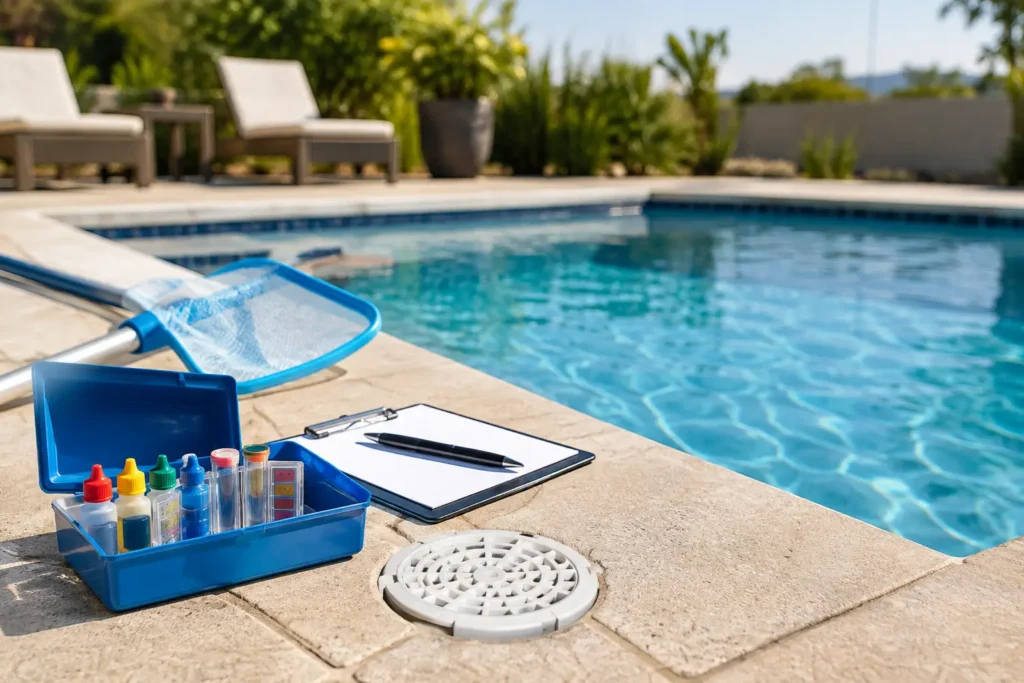
An inspector should not be the first person to discover that a test kit is expired, a gate does not latch, or the disinfectant reading is outside the required range. To prepare pools for inspections effectively, operators need a repeatable routine that makes safe conditions visible every day, not a rushed cleanup the morning of a visit.
Public and commercial pool inspections protect bathers, employees, and the facility itself. They also reveal whether the operator can document safe operation. While requirements differ by jurisdiction, most health departments look at the same fundamentals: water quality, circulation and equipment, barriers and safety features, required signage, and operating records. The best preparation is systematic, practical, and consistent.
Start With Your Local Inspection Standard
Your local or state health department has the final authority over what an inspector will require. Do not rely on a checklist from another county, an old inspection report, or a neighboring property. Pool and spa rules can differ on disinfectant ranges, test frequency, required signage, drain-cover documentation, fencing details, and emergency equipment.
Pull out the most recent inspection report before you begin. Any item previously marked as a violation deserves special attention, even if it was corrected at the time. Repeat violations can signal that a procedure, staffing plan, or maintenance schedule needs to change.
If your facility operates a spa, treat it as its own inspection area. Spas commonly create compliance issues because their warmer water increases disinfectant demand, affects water balance more quickly, and requires close attention to temperature limits and safety signage.
Prepare Pools for Inspections at the Water Level
Clear water is not the same as compliant water. An inviting pool can still fail an inspection if sanitizer, pH, cyanuric acid, or other required readings are out of range. Inspectors may perform their own tests, compare results with your logs, and ask about corrective actions.
Test the water using a reliable, complete test kit that is appropriate for your sanitizer system. Verify that reagents are not expired and that staff know how to obtain a proper sample. A faded comparator, missing reagent bottle, or test strip used beyond its expiration date can undermine otherwise good operations.
Review disinfectant residuals, pH, alkalinity, water temperature, and stabilizer levels as required by your jurisdiction. Check calcium hardness and total dissolved solids as part of sound water management, particularly if the pool has recurring scale, cloudy water, corrosion, or difficulty holding a chemical reading. For pools using cyanuric acid, remember the trade-off: it can protect chlorine from sunlight, but excessive levels can reduce chlorine effectiveness and may require partial draining and refilling.
If a reading is outside the required range, correct the cause rather than simply recording the number. A low chlorine residual may point to high bather load, poor feed equipment performance, depleted chemical supply, excessive stabilizer, or inadequate circulation. Document the correction and retest before opening or keeping the pool open, according to local requirements.
Water clarity deserves a direct visual check. The main drain, floor markings, and other designated features must be clearly visible from the deck. Cloudy water is a safety concern because it can prevent staff from seeing a distressed swimmer or submerged object.
Inspect the Equipment Room Before the Inspector Does
The equipment room is where daily operating discipline becomes obvious. It does not need to look perfect, but it must be safe, orderly, and functional. Walk through it with the same attention you would give a guest-facing area.
Confirm that pumps, filters, feeders, heaters, and controllers are operating as intended. Look for leaks, unusual vibration, air in the pump basket, damaged gauges, and signs that the filter pressure is outside its normal operating range. A pressure gauge that does not work cannot help an operator determine when cleaning or backwashing is needed.
Chemical storage is a frequent source of preventable problems. Keep chemicals labeled, secured, dry, and separated by compatibility. Never store acids with chlorine products, and do not leave open containers where unauthorized people can access them. Make sure required safety data sheets are available to employees and that personal protective equipment is accessible and appropriate for the chemicals in use.
Also check the circulation system’s safety components. Verify that drain covers are intact, properly secured, and within their service life. Maintain the documentation required for compliant suction outlet covers and any anti-entrapment systems. Do not treat a cracked, loose, or missing drain cover as a minor repair. Close the affected pool or spa when required until the condition is corrected.
Walk the Deck, Gates, and Safety Equipment
Start at the facility entrance and follow the path a bather would take. The barrier should restrict unsupervised access, and gates should close and latch reliably. Check fence panels, self-closing hinges, latch height, gaps beneath gates, and any nearby objects that could make climbing easier. Local rules determine exact barrier specifications, so compare conditions with the applicable code rather than guessing.
Walk the deck for trip hazards, standing water, damaged surfaces, unsecured furniture, and blocked pathways. Deck drainage matters because pooling water can create slip hazards and may indicate a larger maintenance issue.
Confirm that required safety equipment is present, visible, and in usable condition. Depending on the facility and local code, this may include a reaching pole, life ring with attached rope, first-aid supplies, emergency phone access, and emergency shutoff equipment. Check that the emergency contact information is current and that employees know who has authority to close the pool when a hazardous condition arises.
Required signs must be legible and placed where patrons can see them. Typical signs address pool rules, no lifeguard service where applicable, emergency information, bather limits, spa warnings, and restrictions on persons with certain health conditions. Do not assume a sign is compliant because it has been on the wall for years. Fading, incorrect wording, missing emergency numbers, and unapproved placement can all create issues.
Make Records Easy to Review
A clean set of records tells an inspector that the facility is being actively managed. Logs should be complete, legible, current, and consistent with the pool’s actual operation. Filling in several days of readings at once is easy to spot and defeats the purpose of the log.
Your records should show routine testing, chemical adjustments, opening and closing decisions, maintenance actions, incidents, and any closures or corrective steps required by your local authority. Keep service reports, equipment manuals, drain-cover information, permits, and prior inspection reports organized in one known location. Digital records can work well, but staff must be able to retrieve them promptly during an inspection.
Train more than one person to find and explain these records. If the usual operator is off duty, the facility should still be able to demonstrate control of the pool.
Prepare the Team, Not Just the Facility
An inspection can include straightforward questions: Who tests the water? What happens when chlorine is low? Where is the emergency shutoff? When is the pool closed? Employees do not need to recite regulations word for word, but they should understand the facility’s procedures and know when to involve a qualified operator or manager.
A brief pre-inspection huddle is useful. Review who will meet the inspector, where records are stored, how to report defects, and what conditions require closure. Be honest if an item is being repaired. Attempting to hide a problem creates more risk than documenting it, taking appropriate action, and explaining the correction plan.
For first-time operators, formal training can turn these tasks from a confusing list into a workable operating system. CPO.Training’s live, instructor-led CPO course helps professionals connect water chemistry, equipment operation, safety practices, and compliance decisions to the conditions they face at their own facilities.
Use Inspection Readiness as a Daily Habit
The strongest inspection preparation happens in short daily checks, weekly equipment reviews, and prompt follow-up on small defects. Waiting for an announced inspection creates pressure and leaves too much room for missed details. An unannounced inspection is far less disruptive when the pool is already being operated to standard.
Build the routine around your facility’s actual risks. A busy hotel pool may need closer attention to bather load and chemical demand, while an HOA pool may need stronger gate and access-control checks. The goal is the same in every setting: maintain conditions that are safe for bathers, defensible in your records, and ready for review on any operating day.